


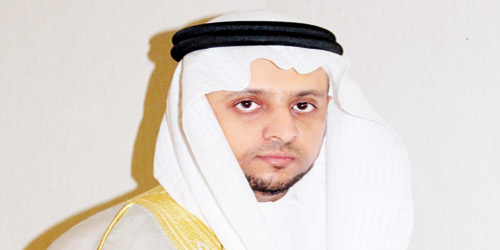
Cairo – Interview by Saja Aref:
Dr. Mohammed bin Yahya Al-Mofreh, Chairman of the Union of Real Estate in Islamic Countries and a Saudi investor in the Arab Republic of Egypt, emphasized that housing is a critical issue that touches the lives of every individual. He noted that it is a concern that troubles Saudi citizens within the Kingdom. He praised the significant changes taking place in the Saudi real estate market at the regulatory level, pointing out the need to enact legislation and offer incentives to increase supply rather than encouraging or limiting demand. He also advocated for highlighting the leadership of the new generation in real estate development and investment companies, who work and plan for the medium and long term, launching comprehensive and innovative projects. In an interview with *Al-Jazirah*, Dr. Al-Mofreh discussed the most prominent projects offered by the Union of Real Estate in Islamic Countries, which operates in 57 Islamic countries, as well as the challenges facing the real estate market in the Kingdom. Below is the text of the interview:
**To begin with, could you tell us more about the Union of Real Estate in Islamic Countries?**
**From a sincere desire to support the shared economy through the real estate sector and to maximize its role in achieving the growth and development of the Organization of Islamic Cooperation (OIC) member states, the Union of Real Estate in Islamic Countries was established. It aims to enhance the sense of pride and belonging among real estate entrepreneurs, contribute to the development of assets and resources that are fundamental to the civilization of Islamic countries, and emphasize the importance of collaboration to achieve prosperity across all Islamic nations.** **In recognition of our responsibilities, the Union strives to unite and direct the efforts of governments and the private sector toward shared growth. With a focus on organizing operations to the highest standards of quality and institutionalization, we launched the initiative to establish this Union, completing all necessary foundational systems and institutional programs.** I take this opportunity to extend my gratitude and appreciation to the significant efforts led by the Organization of Islamic Cooperation during its current 41st session under the presidency of the Kingdom, represented by His Royal Highness Prince Saud Al-Faisal, Minister of Foreign Affairs, and his deputy, His Royal Highness Prince Abdulaziz bin Abdullah bin Abdulaziz. I also commend the tireless efforts of the Secretary-General of the Organization, His Excellency Mr. Iyad Madani.
Tell us about the Union of Real Estate and its objectives, considering your position as its Chairman?
The Union of Real Estate in Islamic Countries received formal approval from the Foreign Ministers of the member states of the Organization of Islamic Cooperation (OIC) during the 40th session of the OIC Council of Foreign Ministers held in Conakry, Republic of Guinea, from 6–8 Safar 1435 AH (corresponding to December 9–11, 2013), under Resolution No. 5/40-A. Since the adoption of this resolution, the Union has been actively preparing its resources and programs to serve as an effective arm and significant extension of the OIC's aspirations, which plays a vital role for Islamic countries. Headquartered in the Republic of Djibouti, the Union extends its gratitude to the host country for its exceptional support and for overcoming challenges to enable its launch. The Union aims to strengthen the economies of member states through the real estate sector, elevate the sector to global standards, expand the work and successes of its members, and foster investment and partnership opportunities. It also adopts initiatives by individuals and institutions to enhance the real estate industry and provide specialized services to the governments of member states.** **The Union includes OIC member governments, official and semi-official institutions related to real estate, private sector entities such as investment companies, real estate development firms, and real estate financing companies, as well as individual investors, real estate experts, and profit and non-profit academic institutions specializing in real estate.** **The Union's strategy involves establishing investment funds and companies for real estate projects within member states, promoting investments and wealth creation in real estate, applying quality standards to real estate, enhancing housing project standards, and fostering relationships with similar international organizations to exchange expertise and benefits. The Union also advocates for shared real estate issues before international bodies and media outlets. It works on creating and updating real estate databases for members, promoting and marketing their projects, collaborating with all real estate entities in member states, organizing forums, events, and delegation visits, and facilitating access to government and private services for its members.** **The Union aims to include all 57 OIC member states by the end of 2018, establishing itself as a beacon for cooperation with governments in real estate development, enhancing the role of the private sector, and sharing and utilizing expertise to provide innovative solutions for challenges in real estate investment and development. This includes infrastructure, housing, and reconstruction efforts for countries affected by natural disasters, wars, or other challenges. For detailed information about the Union's programs and objectives, visit the website: www.reuos.org.
What projects is the Union of Real Estate currently working on, and what are its plans for the future?
The Union of Real Estate is currently working on multiple fronts, balancing between providing specialized services to governments and launching key projects. Presently, the Union has signed agreements with the government of one Islamic country to survey, study, develop, and invest in its state-owned properties in the Americas, Europe, and several African and Asian countries. This project aims to safeguard government assets, increase revenues, and facilitate cooperation with donor countries. Additionally, the Union has signed preliminary agreements with another Islamic country to form a specialized advisory team to study and improve its investment system. This initiative is designed to encourage investors, protect their investments, and incorporate successful practices from other countries. Moreover, the Union is in advanced discussions with three Islamic countries to provide a comprehensive and integrated solution based on an investment and legal framework. This initiative aims to support the long-term needs of pilgrims and Umrah performers traveling annually to Mecca, whose numbers exceed tens of thousands from each of these countries. In terms of projects, the Union is finalizing studies for the launch of five major initiatives: 1. The "Union Real Estate Sustainability Fund in OIC Countries" - Initial capital: $250 million. - Objective: To establish permanent real estate markets or exhibitions in key Islamic capitals. 2. **The "International Affordable Housing Company" - Paid-up capital: $500 million. - Objective: To develop affordable housing solutions for a wide range of citizens in Islamic countries with below-average incomes. 3. The "International Company for Islamic Endowment Investments" - Paid-up capital: $500 million. - Objective: To develop and invest in Islamic endowments (Awqaf) that have remained inactive due to a lack of management or capital. The company will also facilitate the exchange of successful endowment management practices among Islamic countries. 4. The "Civilization Minarets Fund" - Coordinated with specialized entities, this fund is launched with an initial capital of $500 million as a time-limited cash endowment. - Objective: To renovate existing mosques and construct new ones as centers of civilization that contribute intellectually and materially to their surrounding communities. The fund ensures sustainability by converting mosques into productive endowments that fulfill their mission. The fund aims to recover all funds spent on any mosque to ensure its sustainability or return capital to its contributors within an agreed-upon timeframe. 5. The "Construction Company" - Specialized in rebuilding infrastructure, housing, and wells in OIC member states affected by wars or natural disasters. - Initial capital: $250 million, with the potential for increases as needed. These projects highlight the Union’s dedication to fostering development, supporting member states, and addressing challenges in real estate, housing, and infrastructure through innovative and sustainable solutions.
How do you evaluate the real estate market in the Kingdom and investment opportunities within it?
– السوق العقاري بالمملكة له خصائص عديدة ومميزات فريدة انعكست على الثبات والنمو المضطرد بنسبة متسارعة أو هادئة فالسوق في مرحلة الحراك المتوجه إلى النضج الكامل مقارنة بالأسواق العقارية في الدول المتقدمة، وهذا النوع من الحراك له إيجابيات من أبرزها ظهور جيل جديد من المطورين والمستثمرين العقاريين الذين يفرضون أنماطاً جديدة أو يتأقلمون من احتياجات جديدة وله سلبيات من أبرزها ظهور حالة عامة من الخوف والتردد في اتخاذ القرارات من المستثمرين أو المشترين النهائيين هنا نحبّ أن نؤكد على أمرين: الأمر الأول أنّ التوجه الجاد والمتسارع والحاسم مِنْ قِبل الجهات الحكومية لتطوير وتكامل الأنظمة التي تحكم السوق العقارية ابتداء من التسجيل العيني وتثبيت الملكيات ومروراً بوزارة التجارة وأنظمة البيع على الخريطة وانتهاء بالمحاكم العقارية المتخصصة.. هو توجه هام وخطوة حقيقية لبناء السوق الناضح بشكل كامل.. ولا بدّ من السير فيه إلى النهاية واستعجال خطوات قدر الإمكان الأمر الثاني أنّ إطلاق الأحكام على السوق العقارية في المملكة بشكلٍ عام دون تفصيل أو استثناء هو أمر غير منطقي وغير علمي وليس لفردٍ كائناً منْ كان أنْ يحكم على مجمل السوق أنه سوق (ينخفض أو يزيد)، (ينهار أو ينمو بسرعة)، يتأثر بشكلٍ مباشر بانخفاض أسعار السلع الثمينة وأسواق المال المحلية والدولية أو لا ينخفض أبداً.. يجب أن تكون الآراء مبنية على دراسات تحدد كلّ قطاع بشكل منفصل فقطاع الأراضي الخام غير الأراضي السكنية الصغيرة المهيأة للتداول أو البناء، وقطاع الشقق السكنية غير قطاع الغرف الفندقية..وقس على ذلك.
* كيف ترى فرض رسوم على الأراضي البيضاء في المملكة؟
– إن الجهات المعنية تقوم بدراسات مستفيضة لبحث هذا الموضوع من ناحية قانونية وشرعية ومن ناحية تأثيره على السوق العقاري المحلي ونحن لم نقم بهذه الدراسات ولم نطلعْ على نتائجها لنعرف ما القرار السليم.. ولكن لدي الملاحظات التالية: ستجد أنّ أغلب من يبدون رأيهم في الموضوع إما مستثمرين كبار سيتضررون من هذا القرار فهم لا يرون شرعيته ولا أنه من المنصف التعامل به ويؤكدون أنّ (الرسوم) ستُدفع من قِبل المشتري النهائي وهذا فيه جانب صحيح لكنه يُغفل أنّ المالك سيدفع الرسوم طول فترة الاحتفاظ بالأرض وإما مستثمرين صغار أو من المشترين النهائيين الذين يرون في القرار ملاذاً لتخفيض أسعار الأراضي ولذلك فهم يؤيدونه بكلّ قدراتهم.. وأيضا هذا فيه جانب صحيح إلا أنه يغفل وجود مقدرة مادية لدى ملاك الأراضي قد تحول دون وقوعهم في دائرة الضغوط فضلاّ عن آليات تطبيق القرار الذي نراه في (الاتحاد العقاري) أنّ النقاش يجب أن يعود إلى سبب طرح فكرة فرض الرسوم على الأراضي البيضاء.. فإذا كان السبب فقط هو السعي لحثّ ملاك الأراضي على التطوير السريع وعدم الاحتكار باعتقاد أنّ هذا سيؤدي إلى تخفيض الأسعار.. فهناك العديد من الحلول التي طرحتها عدد من الدول الأخرى ضمن منظومة منظمة دول التعاون الإسلامي منها على سبيل المثال: نظام المسارات السريعة لتطوير الأراضي واستخراج رخص البناء والخدمات مِن قِبل البلديات والجهات الرسمية، ونظام التسهيلات الحكومية التي تصل لإقراض ملاك الأراضي تكلفة التطوير للبنية التحتية دون فوائد، ونظام إلزام مشتري الأرض بعمل مشروع خلال عامين فإذا تأخر تفرض عليه الرسوم وتتزايد عاماً بعد عام، ونظام فرض رسوم على المضاربين الذين يبيعون ويشترون دون إضافة قيمة للأراضي.. مثل هذه الأنظمة من شأنها أن تسهل وتؤدي إلى زيادة العرض ثمّ يتحكم السوق بالأسعار وفق معادلة العرض والطلب أيضاً نرى أنه متى ما فرض قرار مشابه.. فهو يجب ألا يكون بأثر رجعي على الملاك السابقين.. يبدأ تطبيق القرار بانتقال الملكية لمالك جديد..
* كيف ترى مشكلة الإسكان في المملكة؟
– الإسكان قضية مهمة لأنها تخاطب أساس حياة كلّ إنسان فلو كانت نسبة المحتاجين إلى سكن نسبة بسيطة جداً، فهذا يعني أن هناك بشراً حياتهم غير قائمة على الأمن والاستقرار وبالتالي فهذا أمر يمثل مشكلة للحكومة والسعودية بتوفيق الله خطتْ خطوات نوعية منذ إطلاق وزارة الإسكان المتخصصة في مواجهة هذه المشكلة.. ونرى جهوداً كبيرة ومشاريع عديدة ربما تتطلب ملاحظة أمرين: الأمر الأول أن الوزارة بحاجة إلى أن تعرض للمجتمع بشفافية أرقاماً دقيقة حول نسبة العجز ونقص المساكن، وبالتالي تضعْ أهدافاً متمثلة في أرقام سنوية يسهل معها تقدير حجم الجهد والإنجاز الذي تقوم به كوزارة متخصصة الأمر الثاني أن حلّ هذه المشكلة لا ينتهي عند قرار وجهود وزارة الإسكان هي تتطلب قرارات وأنظمة كثيرة ومتكاملة بين عدة وزارات وجهات تصبّ في صالح حلّ المشكلة وزارة البلديات والعدل مهمة لأن الأراضي مرتبطة بها، ووزارة العمل مهمة لأن قراراتها تؤثر على عمالة وتكلفة المقاولين، ووزارة التجارة مهمة لأنها تحكم أسعار مواد البناء، ومؤسسة النقد وهيئة سوق المال مهمة لضرورة بنوك الإسكان.. وغير ذلك.
* ما هي التحديات التي تواجه السوق العقاري بالمملكة؟
– نؤكد مرة أخرى أن السوق العقاري في السعودية يمرّ بمرحلة حراك نحو النضج وتطوير متسارع للبيئة التشريعية والتنفيذية وهذه تصاحبها عدة تحديات إيجابية وسلبية إلا أنّ من الأمور التي من المناسب الاهتمام بها أولاً على مستوى تأسيس السوق بشكلٍ أفضل هي إنشاء هيئات أكاديمية وعملية تغذي السوق العقاري بمخرجات متخصصة في كافة المجالات ذات العلاقة مثل التطوير والتسويق والتثمين والدراسات وإدارة العقارات وغيرها.. والسماح بإنشاء منظمات تطوعية غير هادفة للربح تساعد على الارتقاء بالسوق العقارية المحلية.. وتشجيع إقامة المزيد من المعارض والمؤتمرات والدبلومات العقارية المتخصصة ثانياً تشجيع وإبراز ودعم قيادات وشركات التطوير العقاري الواعدة المتخصصة في إنشاء المساكن بشتى مستوياتها، أو المشاريع متعددة الاستخدامات بشتى أحجامها، أو المشاريع السياحية أو الطبية أو التعليمية أو غيرها.. الذي نلاحظه أن عدد المطورين المعروفين ذوي الخبرة والتجربة في السوق السعوي محدودين جداً مقارنة بحجم السوق وحجم الطلب.. والتهديد أنه ليس هناك شركات وقيادات تشق طريقها بشكلٍ واضح مما سيزيد الفجوة المستقبلية وأعتقد أن أول خطوات تشجيع هذه الفئة المهمة هي الأنظمة المساندة والتسهيلات التمويلية التي ستنعكس بتوفيق الله على حجم إنتاج عقاري يلائم المرحلة المزدهرة التي تمرّ بها البلاد.
* ما الذي يميز السوق العقاري بالمملكة؟
– هناك العديد من المميزات الحقيقية، أهمها وجود قوة شرائية وشريحة كبيرة من المستثمرين من متخطي الحدود فأنت تجد المستثمر السعودي وبشكل لافت في العديد من الدول الإسلامية وغير الإسلامية وبشكل بارز في قطاع الفنادق والمستشفيات والمراكز التجارية والسكن.. وهي شريحة ذكية تبحث عن الفرص وتصنعها وتستفيد منها من المميزات التميز بعمارة الحرمين الشريفين وما بني على أساس وجودهما من مشاريع فريدة.. مع ما نلمسه في السنوات الأخيرة في عهد خادم الحرمين الشريفين الملك عبدالله وولي عهده وولي ولي العهد من مشروعات عملاقة مرتبطة بالحرمين ومشاريع البنية التحتية وهي مشاريع شملت المطارات والقطارات والفنادق والمشاعر وغيرها.. وهذا يعني أن لدى السعودية: أغلى سعر متر استثماري في العالم، وأوفر تكلفة متر سكني في العالم، وأكبر إنفاق حكومي في ظل اقتصاد قوي ومتين وطلب متنامي محلياً ودولياً.. وهي معادلة فريدة من نوعها قل أن توجد في دولة أخرى وتجد من المميزات الإنفاق الحكومي الكبير على المشاريع في جميع أنحاء المملكة.. فالفرص عديدة ومتنوعة وتنبئ بمستقبل جاذب وواعد.. مثل المدن الاقتصادية والمدن الجامعية والضواحي السكنية وما يتبعها من موانئ ومطارات ومستشفيات في جميع أنحاء المملكة العربية السعودية.
* ما الكلمة الأخيرة التي تحب أن تضيفها ؟
– أوجه الشكر والتقدير لكافة القائمين على الاتحاد والدول الأعضاء وأخيراً أؤكد على أن الاتحاد العقاري أسس ليقدم خدماته للحكومات وللقطاع الخاص في نوع من التكامل المطلوب بإذن الله لتنمية الاقتصاد ورفع مستوى الإنتاج العقاري ولذلك ندعو كافة الجهات ذات العلاقة للانضمام إليه بغرض التكامل والاستفادة من خدماته وإضافة قيمة للثروة العقارية في دول منظمة التعاون.
جريدة الجزيرة الرابط


 English
  العربية
  Français